

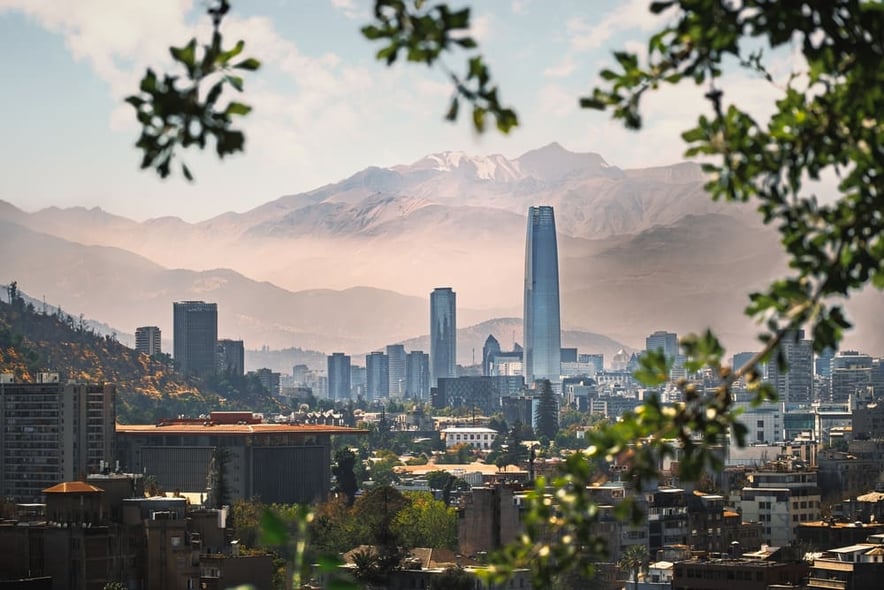


 Back
BackLearn about Chile's endangered landscapes and diverse cultures
Responsible travel in Chile, especially on luxury tours, focuses on protecting fragile and unique ecosystems, supporting indigenous communities, and choosing locally owned, sustainability-driven accommodations and guides.
Renowned for its astonishing ecological diversity, Chile’s myriad of regions also encompass a diverse fabric of cultures.
Travelers to Chile can wander the streets of Santiago and Valparaíso, discovering the country’s rich history through its socially charged street art, or visit family-owned vineyards to learn about both traditional and modern wine-growing methods.
Witness one of the most remote and magnetic cultures in the world on Easter Island (Rapa Nui), strewn with the fascinating archaeological sites of the native Polynesian Rapa Nui people.
You can go from retracing the footsteps of ancient nomadic communities in the Atacama Desert to hearing the stories of the indigenous people of Patagonia and sharing a meal on a traditional ranch, surrounded by some of the world's greatest natural wonders.
It’s incredibly important to protect these precious ecosystems and to support the local communities and indigenous populations.
At Wayfairer, we are committed to responsible, sustainable, and ethical tourism in Chile, and we’re proud to work with fantastic local operators who share our responsible tourism values.
We encourage all visitors to Chile to travel responsibly and respectfully, ensuring their visit leaves a positive impact. Here are our top tips for a responsible vacation in Chile.
Chile’s Environment and Wildlife: What Responsible Travelers Should Know

Chile is home to some of the most pristine corners of the planet, and while an excellent system of national parks and reserves works to preserve parts of this beautiful environment, deforestation and mining threaten it all.
Between 1985 and 1995, nearly two million hectares of Chile’s native temperate rainforests were destroyed by loggers and replaced with pine and eucalyptus tree farms. While Chile now has the world's largest pine plantations, it is also facing the extinction of its precious rainforest.
Chile has the second-largest expanse of temperate rainforest, out of only 7 of these rare ecosystems worldwide. It’s home to an incredible diversity of Chilean endemic species, including the hummingbird and the pudú, the world’s smallest deer.
As loggers continue to raze these irreplaceable ecosystems, Chile's unique animal and tree species become threatened with extinction.
Along with the rainforests, Chile’s glaciers are also threatened by human activity. Although mining is a major industry in Chile, it’s also ruining the environment by releasing dangerous chemicals into the air and destroying crucial water sources.
When mining companies operate near glaciers, arsenic-laden dust covers and contaminates the glaciers. Along with accelerating glacier melting, it also threatens one of Chile’s most crucial water supplies.
With around three-quarters of Chile’s population relying on the fresh water that melts from glaciers, an urgent intervention is needed to protect the glaciers and prevent irresponsible mining.
How to Travel Responsibly in Chile’s National Parks and Wilderness
Pay the Entry Fees
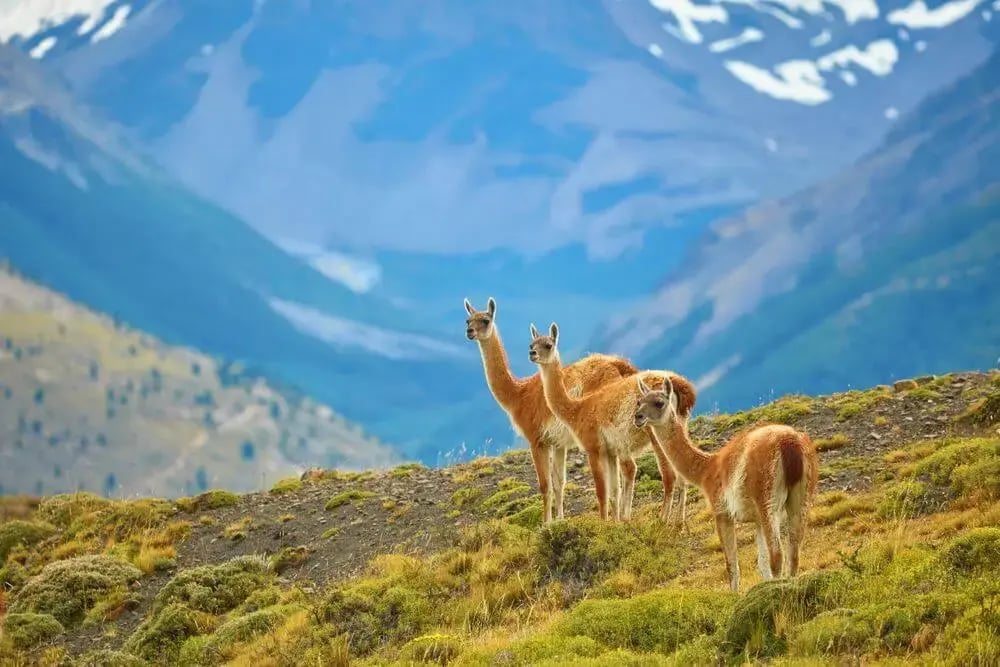
Most national parks across Chile charge an entry fee, and paying these fees is one of the best ways you can support the national park system, as the money goes towards the maintenance and protection of the parks.
When Chile’s incredible landscapes are preserved, more travelers are drawn to the country, boosting the tourism industry and providing local people with income and jobs.
If both the government and Chilean citizens equate environmental conservation with increased income and opportunities, they will have even more reason to protect the environment.
Support the Rainforests
You can support the preservation of rainforests by visiting protected areas, such as the Alerce Costero National Park. The area protects alerce trees, an ancient evergreen tree that has been widely destroyed, as well as the wildlife and the endangered Chaihuin indigenous people of the region.
Leave No Trace
Whatever you take in, you must take out. This is important wherever you travel; however, it’s particularly crucial in remote regions or wilderness areas, where locals may not have adequate facilities to dispose of your waste. Try to avoid plastic bags, always take your trash with you, and use a refillable water bottle.
It is illegal to light campfires in Chile's wilderness areas, as they can quickly get out of control and destroy precious forests and wildlife. You should also abstain from smoking in these areas to avoid starting a fire and polluting the beautiful environment.
Don’t Waste Water
From the dry desert in the north to the wild peaks of Patagonia, Chile often struggles with water scarcity. Try not to use more water than you need and follow any local recommendations for water conservation
Responsible Wildlife Watching
Chiloe Island, Patagonia, and Chile’s long western shoreline are all fantastic places to spot incredible wildlife, including blue whales, sperm whales, dolphins, and even the elusive puma.
However, many whale and dolphin-watching tours can be incredibly destructive to the animals and the environment, and it’s important to avoid activities that harm wildlife, including feeding or touching them.
If you have any concerns or questions about your wildlife watching activities, speak to our Luxury Travel Specialists, who can advise you on the best responsible tours and lodges.
Chilean Culture and Indigenous Communities: A Responsible Travel Guide
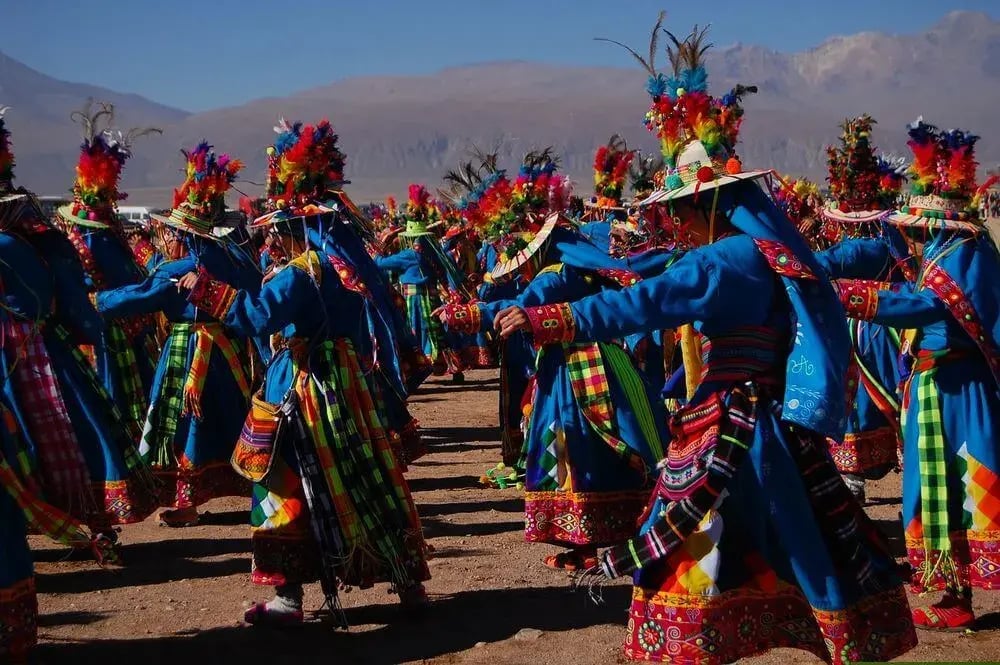
Chilean people and culture stem from a mix of indigenous cultures and Spanish colonial influences.
Their rich indigenous culture spans the country, from the Mapuche in southern Chile to the Huasos in central Chile to the Rapa Nui of Easter Island.
While Mapuche languages are the most widely spoken native languages across Chile, the traditional music and dance of the Huasos is an integral part of Chilean folk culture.
Along with literature, sculpture, and painting, the arts have long played an important role in Chilean culture.
Known as the ‘Land of the Poets’, the country has produced two Nobel Laureates for Literature, and Chilean artists have produced internationally renowned masterpieces, including sculptor Rebeca Matte.
On Easter Island, known as Rapa Nui to its Polynesian inhabitants, its unique culture and archaeological sites are well preserved. From the mysterious, stone-carved moai statues to the ceremonial villages and major festivals, the Rapa Nui culture continues to be celebrated.
Unfortunately, many indigenous cultures and communities continue to suffer at the hands of development and colonialism, with foreign investors rushing in to grab pristine tracts of wilderness.
They buy millions of acres of forests, rivers, and lakes to turn into livestock farms and resorts, with little regard for the indigenous people who have lived on Patagonian land for centuries, caring for it as their ancestral home.
While governments and corporations see the land as a source of income, the indigenous people share a deep, spiritual connection with the land, and it's a sacred part of their origins.
As large chunks of land are wiped out for shiny new developments, communities are destroyed, and cultures begin to die.
You can help by visiting protected parks, paying entrance fees, hiring local guides, visiting local communities and traditional ranches, and sharing the stories of the indigenous people and their land.
What Are The Best People & Culture Tips for Chile?
Hire a Local Guide
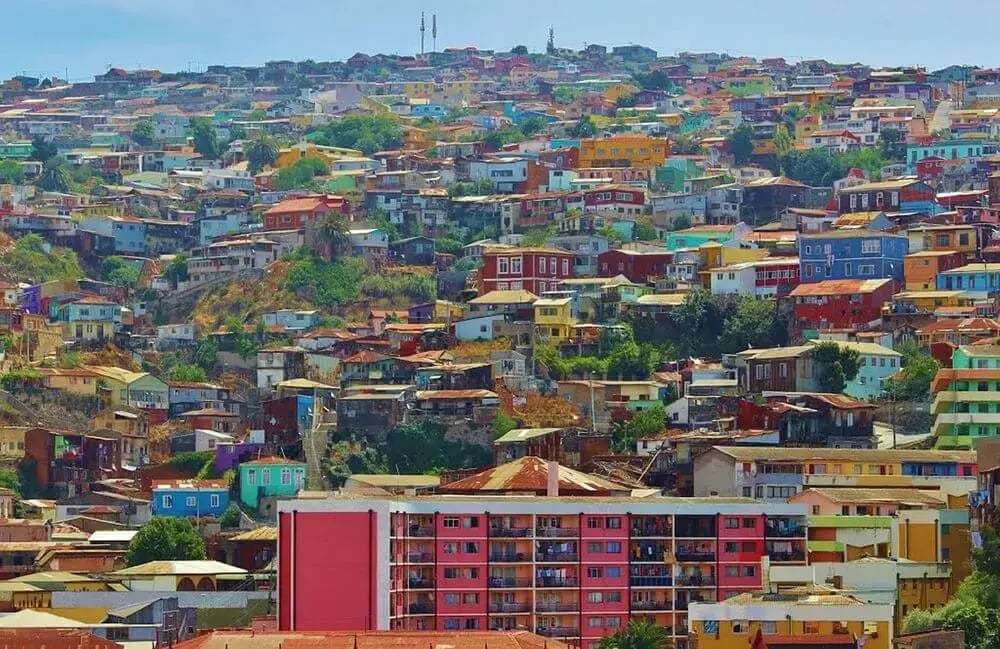
When you visit local communities and hire local guides, you empower people to use their lands sustainably, creating income and opportunities. Listening to their stories and learning about their culture and traditions is a unique, enriching experience that cannot be replicated.
If you’d like to experience Chile through the eyes of a local, our Luxury Travel Specialists can organize tours with expert, local guides. At Wayfairer, we are proud to employ local guides and pay fair wages that often exceed government standards, which also reduces the reliance on tipping for livelihoods.
Be Respectful
In a country with a broad range of cultures, it’s important to treat everyone with respect during your visit. Always greet people politely and don’t take their photograph without their permission.
Enrich your vacation by learning about the country from the locals, and honor the indigenous population by trekking with local guides or participating in traditional events.
Learn Some Spanish Phrases
Spanish is the official language of Chile, with around 95% of Chileans speaking Spanish as their first language.
Known as Chilean Spanish, this Spanish dialect is similar to Andalusian Spanish. It can be difficult for speakers of Castilian Spanish (Spanish dialect originating in Spain) to understand, due to varying pronunciation and local slang.
Chile also has a small number of native languages, although at least seven have gone extinct, and more are in danger of extinction. The most common native language is Mapudungun, spoken by 114,000 of the 1,700,000 Mapuche living in Chile's southern regions.
Chilean Quechua is spoken by 8,200 people in the far northeast high plains and is very similar to South Bolivian Quechua. At the same time, Rapa Nui is the Polynesian language of Easter Island, spoken by 3,200 Chileans living on Easter Island and 200 people on the mainland.
While many Chileans can speak or understand English, you may find it helpful to learn a few Spanish phrases before you go. Learning even just a few words can help build rapport with locals and lead to wonderful cultural interactions.
Here are a few Spanish phrases to get you started:
Hello - Hola Welcome - Bienvenidas Good morning - Buenos días Good afternoon - Buenas tardes Good evening - Buenas noches Cómo estás? - How are you? (informal; used with friends and family) Cómo está usted? - How are you? (formal; used with strangers or seniors) I am fine - Estoy bien Nice to meet you - Mucho gusto I need help - Necesito ayuda I do not understand - Yo no comprendo Thank you - Gracias Excuse me - Perdón Sorry - Lo siento Please - Por favor Goodbye - Adiós See you later - Hasta luego Cheers! - Salud!
How Do You Find Responsible Accommodations in Chile?
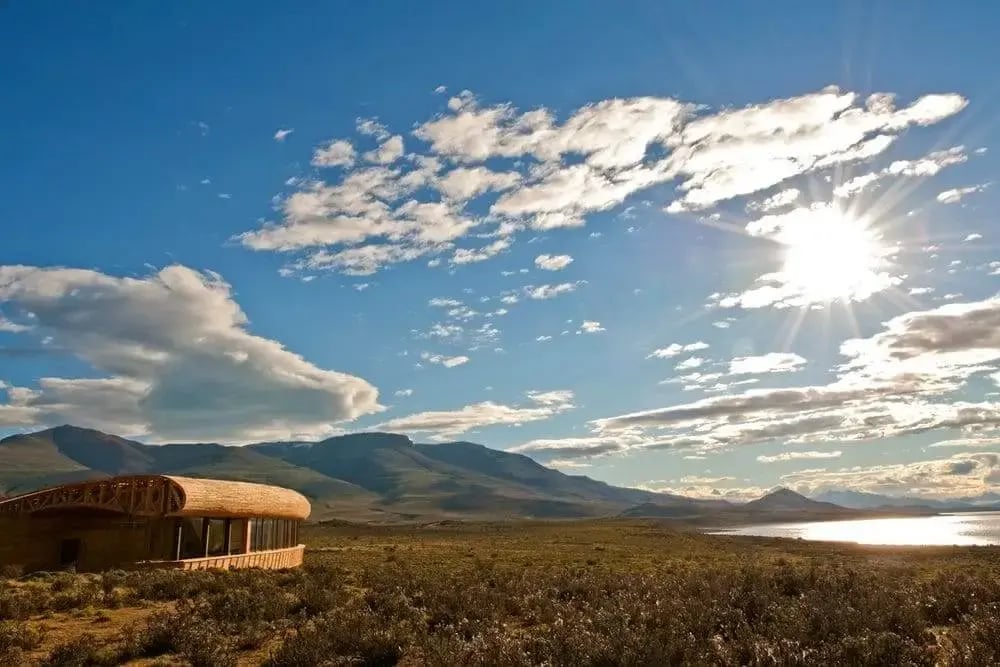
Wayfairer is proud to partner with a range of luxury hotels and lodges for your stay in Chile that share our responsible travel values.
You’ll stay in properties which prioritize sustainability by using locally-sourced materials and produce, hiring local staff, conducting ethical wildlife activities, and operating conservation and community initiatives.
You can get a glimpse of traditional Rapa Nui culture at Hangaroa Eco Village & Spa on Easter Island (Rapa Nui), a beautiful eco-retreat with a design inspired by the Orongo ceremonial village and the natural materials found around the island.
You can also follow in the footsteps of the old caravan communities of the Atacama Desert, following local guides and camels as you learn about the traditions of their ancestors.
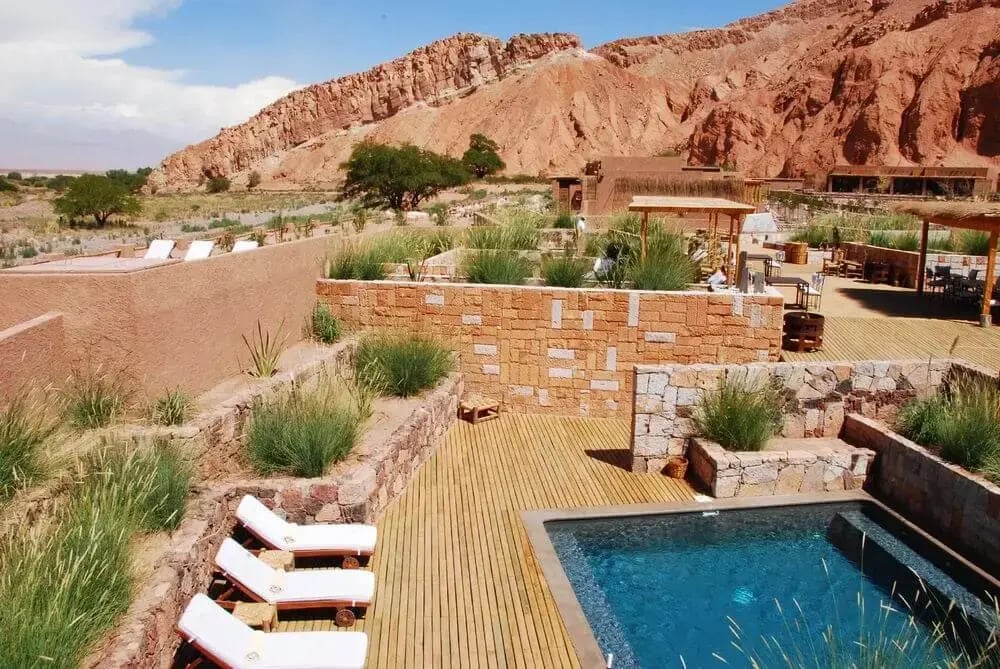
At Alto Atacama Desert Lodge & Spa, more than half of their staff are indigenous, and you can explore the desert landscapes or stargaze through their open-air observatory, while listening to their rich stories and learning about their customs.
In southern Chile, you’ll explore all the natural wonders of Patagonia with expert local guides from Tierra Patagonia Hotel & Spa, or stay at Weskar Lodge, a family-run property in Puerto Natales, where the rooms are brightened with hand-woven furnishings spun by the family’s grandmother.
What Are The Top Responsible Accommodation Tips for Chile?
Tip the Staff
It's customary to tip 10% of the bill in restaurants and cafes (the bill may include it under 'servicio'). You can also tip your hotel staff, porters, and tour guides at your discretion. Taxi drivers do not require a tip, but it’s acceptable to round up the fare.
Pack for a Purpose
A great way to contribute to the community is through the fantastic Pack for a Purpose program, where you use a small amount of space in your luggage to bring supplies for local community initiatives, such as educational or medical materials. You can leave your donations with partner hotels and lodges, who will pass them on to the schools, medical centers, or conservation projects.
References:
https://news.mit.edu/2024/understanding-impacts-mining-local-environments-communities-0321
https://palabrapublica.uchile.cl/rebeca-matte-bello-la-audacia-de-una-vida/
https://sites.psu.edu/global/2018/03/04/the-language-diversity-of-latin-america/