

 Back
BackIn short, an actual high-end travel experience today is defined less by iconic landmarks and more by experiential travel that fosters cultural connection, perspective, and meaningful engagement. According to the World Tourism Organization (UNWTO), modern travelers increasingly seek experiences that connect them with local communities and cultural heritage rather than passive observation. Luxury travel is evolving from access alone to depth of experience and is becoming more immersive, prioritizing authenticity, privacy, and transformative moments over checklist tourism.
What is Experiential Travel?
Experiential travel refers to journeys that emphasize active participation, local connection, and cultural understanding. UN Tourism (UNWTO) describes this approach as travel that engages visitors in authentic cultural, social, and environmental contexts, rather than focusing solely on major attractions. Experiential travel centers on meaningful interactions with place and people.
This shift highlights the growth of immersive travel, with travelers increasingly prioritizing hands-on learning, cultural exchange, and deeper engagement with destinations. This includes private culinary experiences, guided heritage walks, artisan workshops, and conversation-focused exchanges.
Experiential travel often involves curated access to subject-matter experts, private cultural visits, and thoughtfully designed encounters that align with personal interests. The result is a one-of-a-kind travel experience grounded in substance rather than spectacle.
Why Sightseeing Alone Isn’t Enough Anymore
Traditional sightseeing remains essential, but many travelers now seek more than visual appreciation. According to McKinsey & Company research on consumer behavior, personalization and meaningful engagement significantly influence decision-making across industries, including travel. Travelers increasingly expect trips to reflect their individual values and interests.
UNWTO has also documented the continued growth of cultural tourism, with travelers seeking authentic heritage experiences and opportunities for connection. Passive viewing of landmarks may provide recognition, but immersive experiences provide context and understanding.
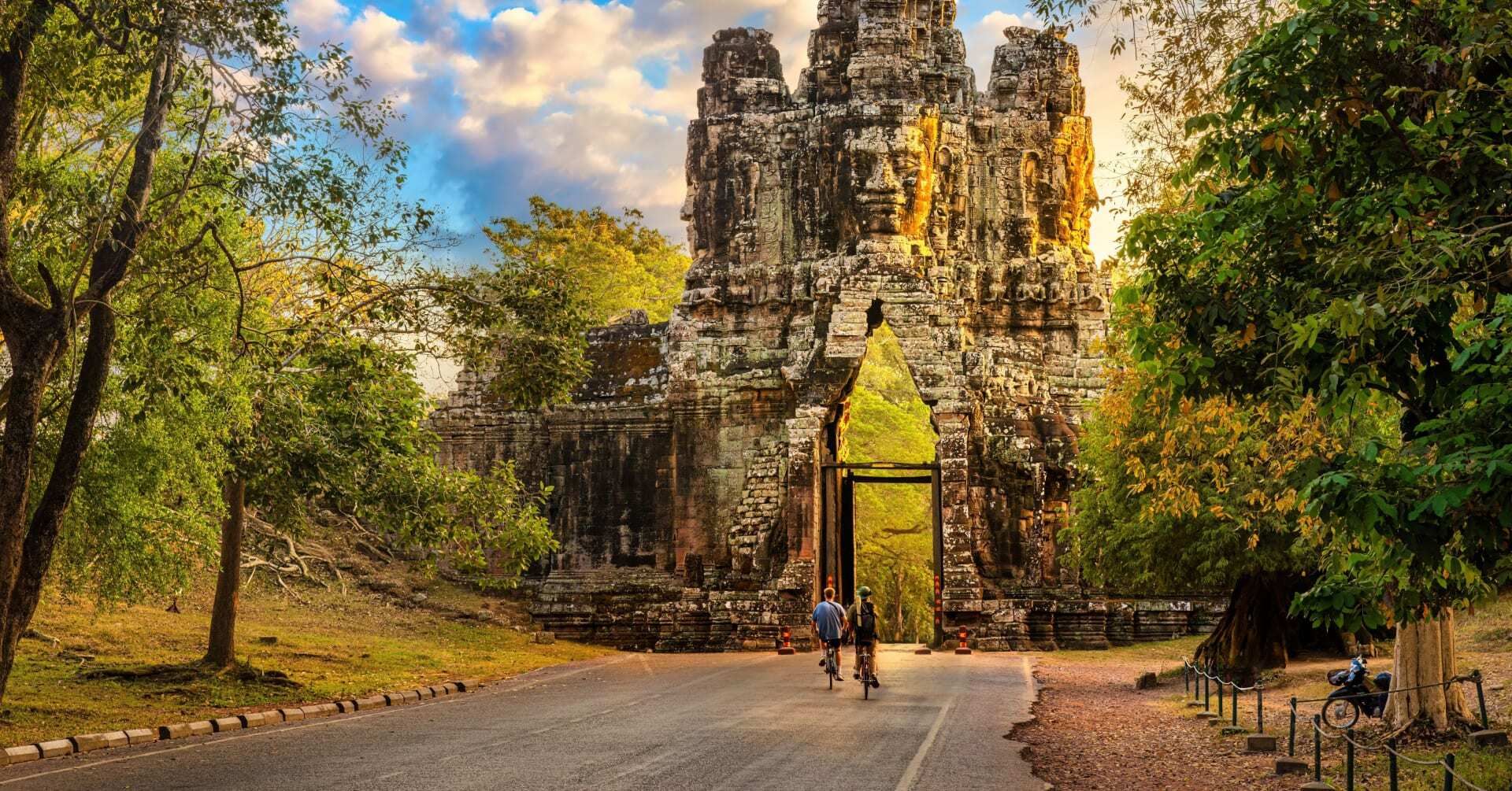
Crowded attractions can also limit meaningful engagement. As global travel has expanded over recent decades, many iconic sites have experienced high visitor volumes during peak seasons. In response, private travelers often seek alternatives that offer greater depth and exclusivity. Smaller-scale experiences, such as private museum access or guided visits to lesser-known neighborhoods, provide richer insight while reducing pressure on heavily visited landmarks.
The shift away from sightseeing-only itineraries reflects a broader trend in high-end travel: travelers value perspective and participation over proximity alone.
The Rise of Cultural Immersion and Meaningful Travel
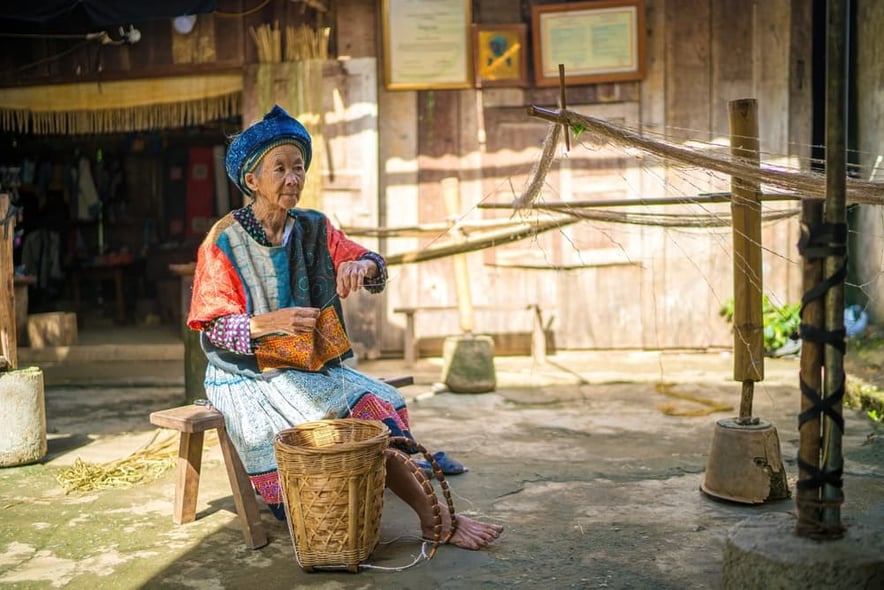
Cultural immersion has become central to experiential travel. According to the UN World Tourism Organization, cultural tourism is one of the fastest-growing segments of global tourism, driven by interest in heritage, arts, gastronomy, and local traditions. Immersive travel may include participation in traditional craft workshops, culinary instruction from regional chefs, or guided discussions with historians and conservationists.
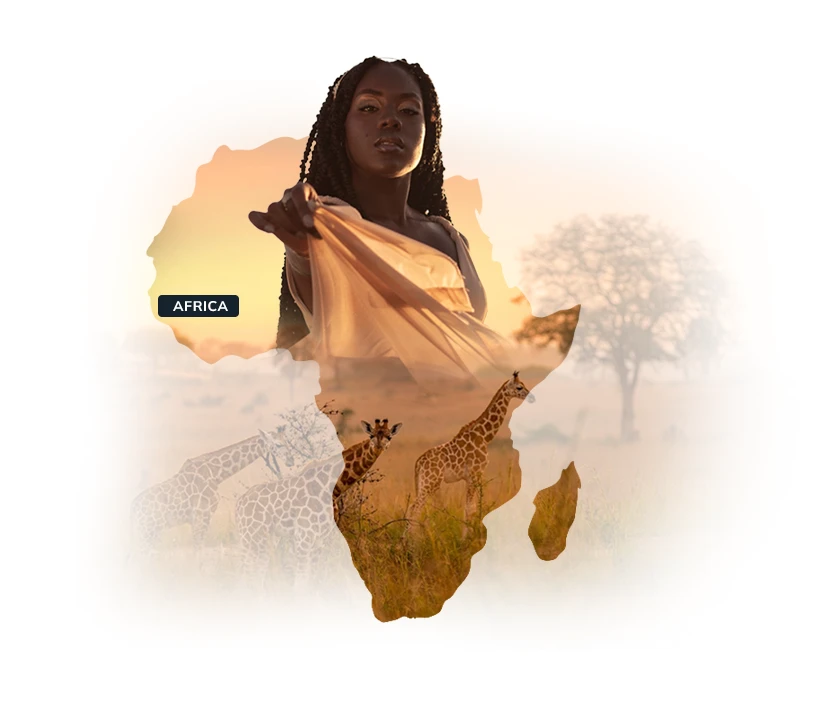
Conservation-based tourism models in many safari destinations demonstrate how tourism revenue supports wildlife protection and community development. Organizations such as the African Wildlife Foundation support conservation tourism and encourage travelers to engage directly with conservation efforts, thereby reshaping how they understand a destination’s environmental and social dynamics.
Meaningful travel also involves respectful interactions with people and their environment. Sustainable tourism frameworks emphasize minimizing environmental impact while supporting host communities. Experiential travel aligns closely with these principles by encouraging more extended stays, deeper exploration, and locally rooted partnerships.
Any travel experience rooted in cultural immersion allows travelers to move beyond observation and into dialogue, gaining insight into traditions, contemporary life, and local perspectives.
What Makes a Travel Experience Truly Immersive?
Authentic Local Engagement
Immersive travel prioritizes genuine interaction with local communities, artisans, guides, and cultural institutions. Experiences are grounded in real environments rather than staged settings, ensuring authenticity and respect.
Expert-Led Interpretation
Knowledgeable local experts provide context that transforms a visit into an educational exchange. Historians, naturalists, and cultural specialists help travelers understand not just what they see, but why it matters.
Personal Relevance and Customization
Experiential travel is highly personalized. It reflects individual interests, be it art, cuisine, wildlife, architecture, or wellness, and adjusts pacing and access accordingly. Custom design ensures that each travel experience feels intentional rather than generic.
Meaningful Contribution
Many immersive journeys incorporate responsible travel practices. Supporting conservation projects, community enterprises, and cultural preservation initiatives adds dimension to the experience while contributing positively to the destination.
Privacy and Depth
Private access and thoughtful scheduling allow time for reflection and conversation. Immersion requires space, both physical and intellectual, to absorb new perspectives without the distraction of crowds.
Together, these elements transform travel from passive sightseeing into active engagement. By combining destination expertise, private access, and responsible travel principles, we create tailor-made itineraries that deliver a truly immersive experience rooted in experiential travel.
If you’re ready to trade crowded landmarks for authentic connection, our Wayfairer Travel team is here to design your personalized experiential journey.
References:
https://www.untourism.int/sustainable-development
https://www.untourism.int/tourism-and-culture
https://www.awf.org/news/conservation-and-tourism-africas-keys-unlocking-sustainable-future